If you're shopping near the top of the conforming range, you've probably heard that the 2027 conforming loan limits California buyers will work with are about to change. As I write this, FHFA, the agency that sets the limits, hasn't published the 2027 numbers yet. Last year's announcement came on November 25, so this year's release is expected within days.
A few national lenders have already posted higher limits of their own, and I'm getting questions about it. Here's what is known, what isn't, and what it means for buyers and refinancers in Temecula, Murrieta, Fallbrook, Lake Elsinore, Riverside and North San Diego County.
What the 2027 conforming loan limits are right now
The honest answer is that the official 2027 limits don't exist yet. The 2026 baseline one-unit limit is $832,750, and it stays in force until the new year. Some lenders that have announced early limits have landed around $845,000 for the baseline, a bump of roughly 1.5%. Forecasters have floated similar figures, but those are predictions, not decisions.
Early lender postings are also not the same as an FHFA announcement. A lender can set its own limit ahead of time, but if FHFA's official number comes in lower, a loan above it could no longer be sold to Fannie Mae or Freddie Mac as conforming. I'd treat any number as unofficial until FHFA publishes it.
Conforming vs. jumbo: why the line matters
A conforming loan is one that fits under the limit Fannie Mae and Freddie Mac will buy. A loan above the limit is a jumbo loan and is underwritten under different rules. Jumbo guidelines are set by each lender, so they can mean a larger down payment, more documented reserves, or a different pricing picture than a conforming loan. I won't quote numbers here because they depend on your file and the market that day.
The practical point is that a small move in the limit matters mostly for borrowers sitting right at the edge. If your loan amount is well below or far above the line, a few thousand dollars of change probably won't alter your path. If you're within a few percent of it, it's worth a conversation.
Your county sets your ceiling, not just the national number
The baseline is only part of the story in California. FHFA also sets higher limits for counties it designates as high-cost, and those limits are based on local home values. That means the ceiling that applies to you depends on the county where the home sits, and the counties I serve don't all share one limit. A home in North San Diego County and a home in the Riverside County side of Temecula or Murrieta may fall under different county figures.
Once FHFA publishes the 2027 county list, I'll look up the exact limit for your property's county and unit count. Please don't rely on a number you saw for a different county or on a lender's marketing page.
Could a higher limit move you from jumbo to conforming?
It can, but only if your loan amount ends up at or below the new limit for your county. Here's how I'd think about it:
- Buyers just above the line: a higher limit might bring your loan under it. A larger down payment is another way to get there, and it's worth comparing both.
- Refinancers: your balance, any cash you take out, and the home's value all matter. Taking cash out can push a loan back over the line.
- Buyers well under the line: the change probably won't affect you.
I'd also be careful about assuming a conforming loan is automatically the better fit. Depending on your income, credit, property type and plans for the home, the right answer may be a different program. My loan programs page walks through the options, from conventional and FHA to jumbo and beyond.
When it's worth timing a loan around the limit
Most of the time, I wouldn't delay a purchase or refinance just to wait for a limit change. Home prices, your personal timeline and the market all move on their own. Timing is worth discussing in a narrow set of situations:
- Your loan amount sits within a small distance of the current conforming ceiling.
- You're writing an offer with a closing date that falls close to January 1, when the new limits take effect.
- You're deciding how much cash to put down or take out, and a few thousand dollars would change which side of the line you land on.
If that's you, tell me early. I can look at your actual numbers and whether the official limit makes any difference for your loan. I'm not going to promise an outcome or tell you to wait on a number nobody has published yet.
What about VA and other programs?
Conforming limits apply to conventional loans sold to Fannie Mae and Freddie Mac. Other programs follow their own rules. FHA and USDA have their own limits and guidelines, and for veterans, a VA loan is a different conversation. If you've served, my page on VA home loans in Temecula, Murrieta and Fallbrook explains how that benefit works. Whether VA, conventional or another program fits depends on your entitlement, your down payment, and the property.
How I'll handle it when the numbers drop
When FHFA publishes the 2027 limits, I'll check the figure for your county and compare it against your loan scenario. I'm a mortgage loan officer, and you work with me directly from application through closing, with no call center in between. I can also help with scenarios that don't fit the conforming box at all, like self-employed income, investment properties and jumbo financing. Until then, the most useful thing you can do is know your own number: the loan amount you're considering and the county the home is in.
If you're near the line and want to talk it through, feel free to reach out to me or call (760) 419-8006. I'm available Monday through Friday from 9am to 7pm and Saturday from 9am to 3pm Pacific.
Ryan Strawser, Mortgage Loan Officer, NMLS #2702576. Equal Housing Opportunity. This article is general information, not a loan offer or commitment to lend. Loan limits and program guidelines can change.
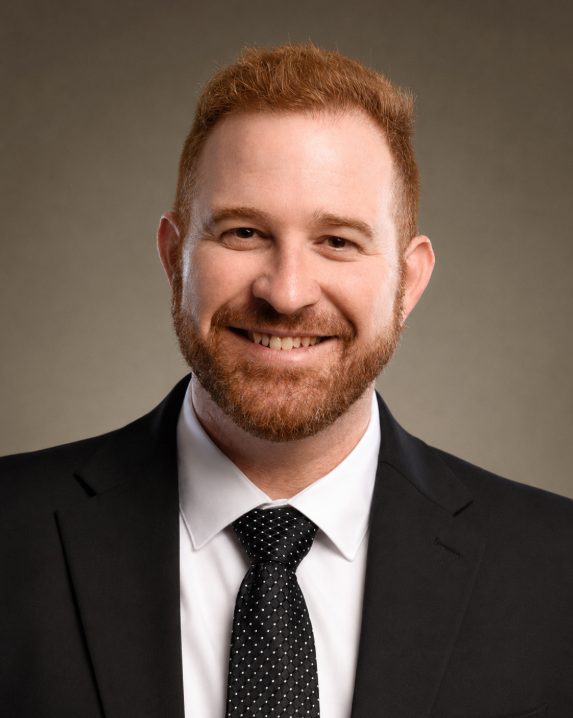
Written by Ryan Strawser
Mortgage Loan Officer (NMLS #2702576) serving Temecula, Murrieta, Fallbrook and the rest of Southern California. Ryan holds a Bachelor's degree in Finance and works with every borrower directly, from application through closing.